The "open floor plan" has been a part of the interior design vernacular for quite some time now, and it has been named both an "in" and "out" trend as the years have gone by. Since then, the concept has evolved so that it's no longer "trendy" but rather a design decision that can always be made beautiful if done right and in the right space--in fact, it can lead to your dream home.
The perks of an open concept floor plan are simple: it enhances the feel of a space, helps social interaction, and improves the efficiency of usable living space (it also makes it easier to keep an eye out on little ones). Have you been craving to go open floor plan and revitalize your living areas with an open concept? Here are our design tips to create purpose and coherence—even when there are no walls!
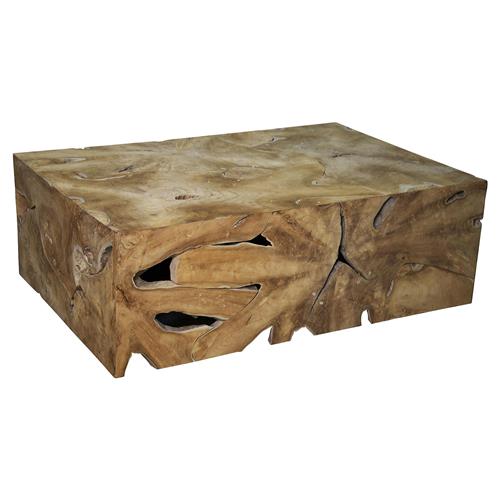
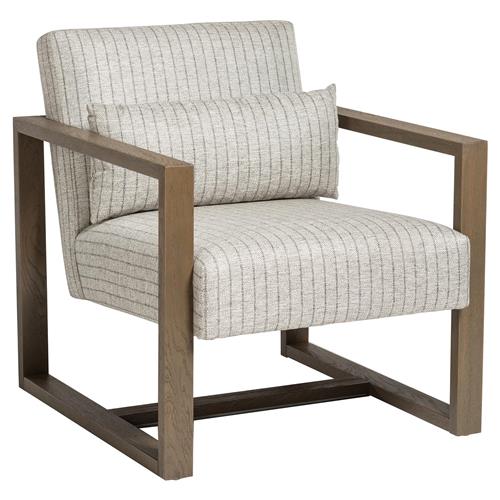
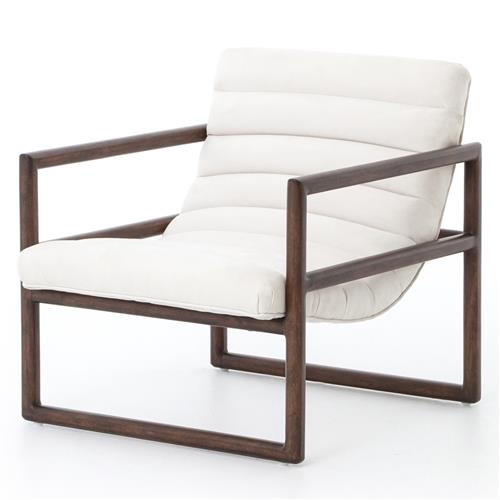
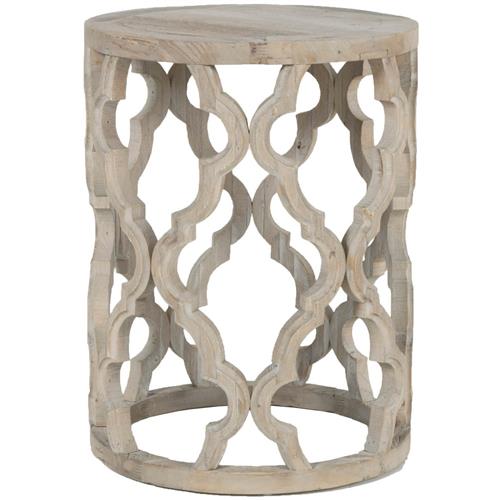
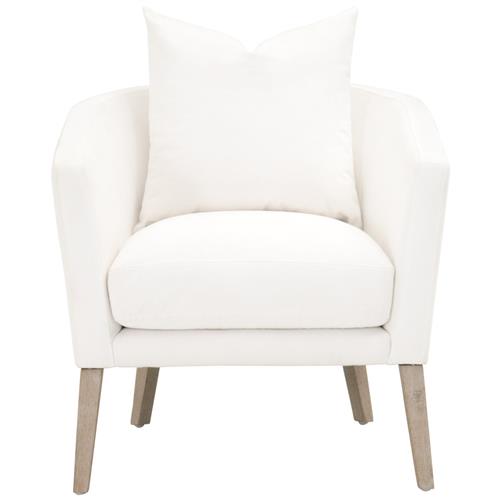
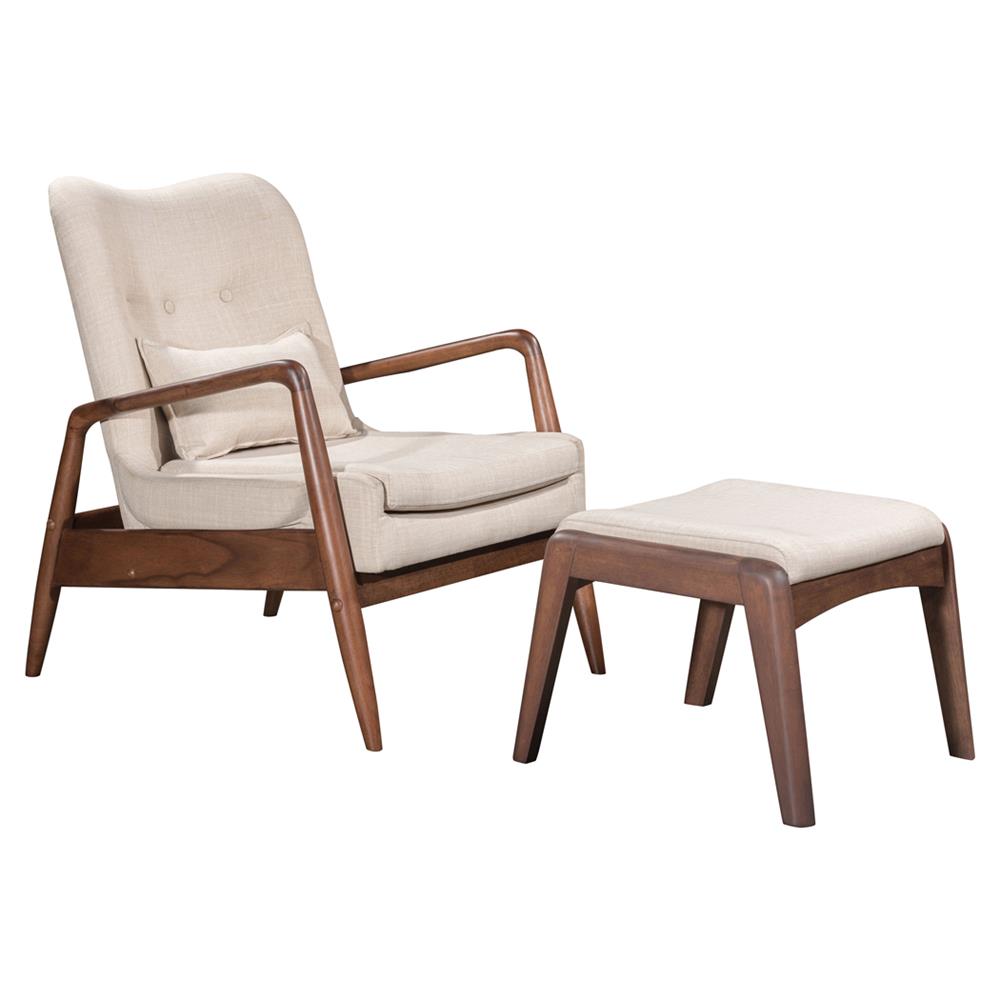
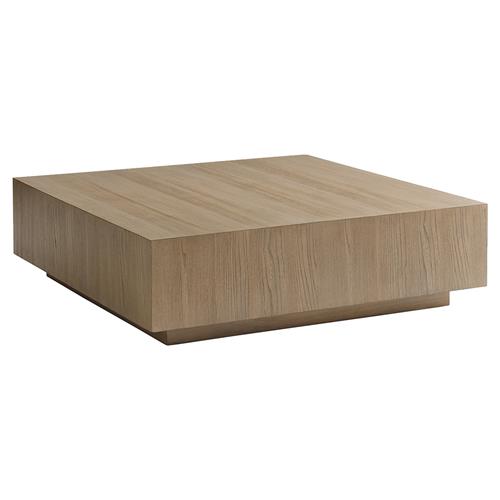
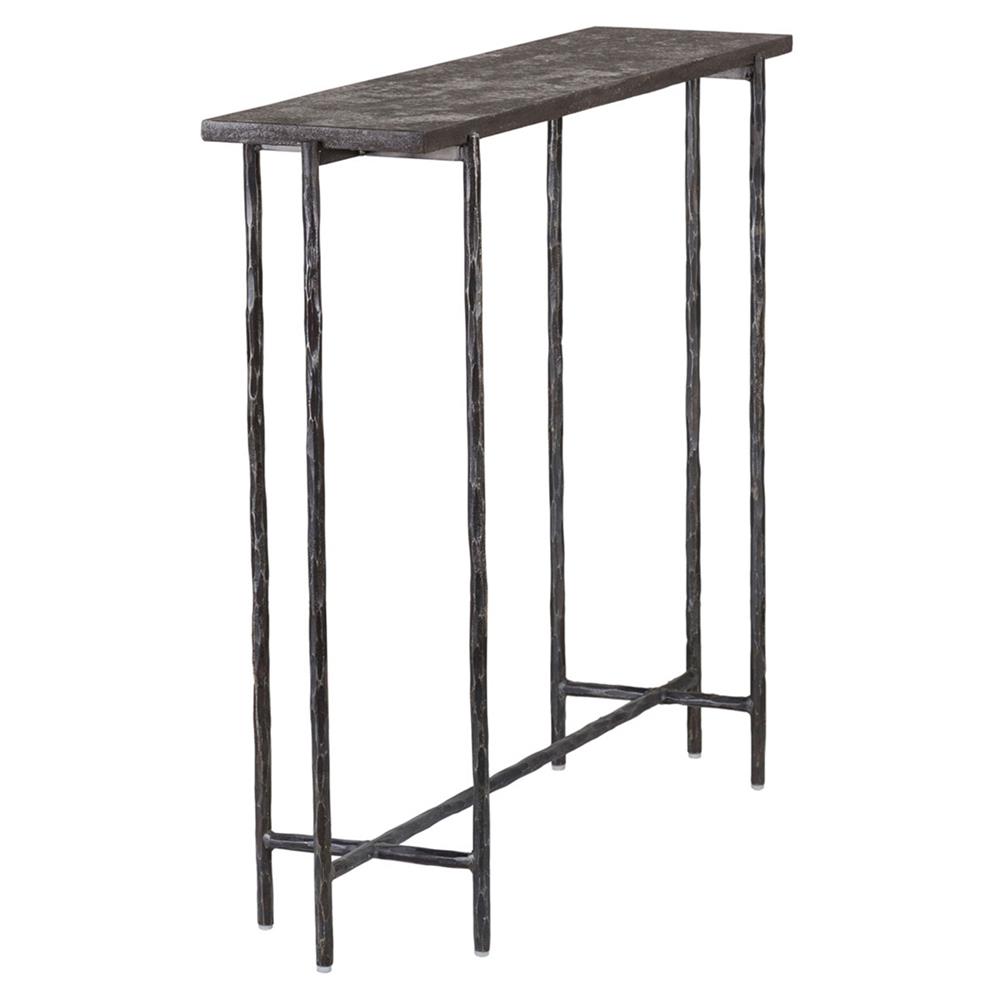
Shop the Look
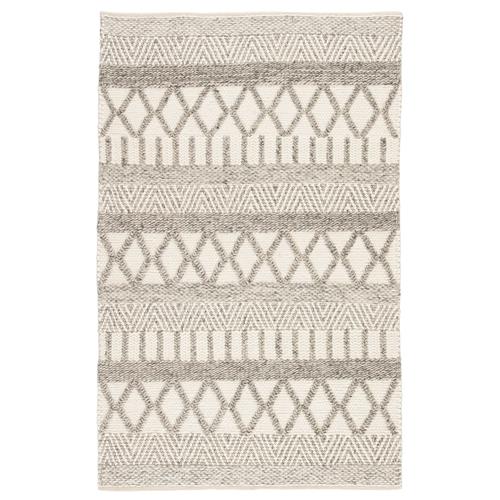
Open Floor Plan Tip # 1. Define Your Space (Rugs = Saving Grace)
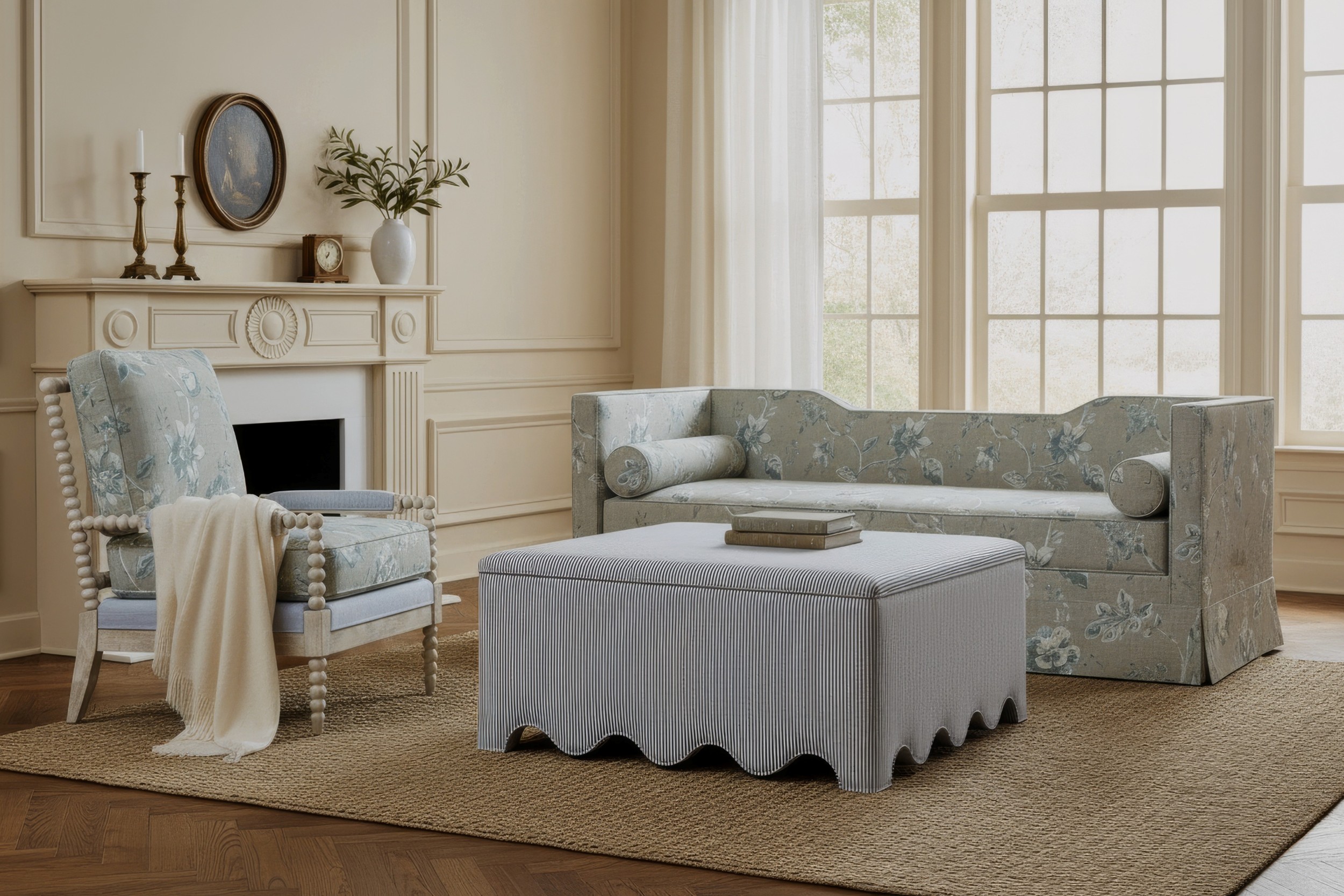
A great area rug is key to an open design floor plan living room. Honestly, they're the saving grace of the open floor plan. Scroll through the examples in this article, and imagine them without rugs. Suddenly you're looking at big, empty, cold spaces. So not only do rugs delineate your conversation spaces and guide foot traffic, but they make the large open space feel cozy and grounded. Even layer your rugs in more eclectic designs to signify a gathering area, dining room, living room, great room, or family room. Rugs work because they provide subtle boundaries without compromising the visual airspace.Open Floor Plan Tip #2. Take Advantage of Symmetry (Two Armchairs, Not One)
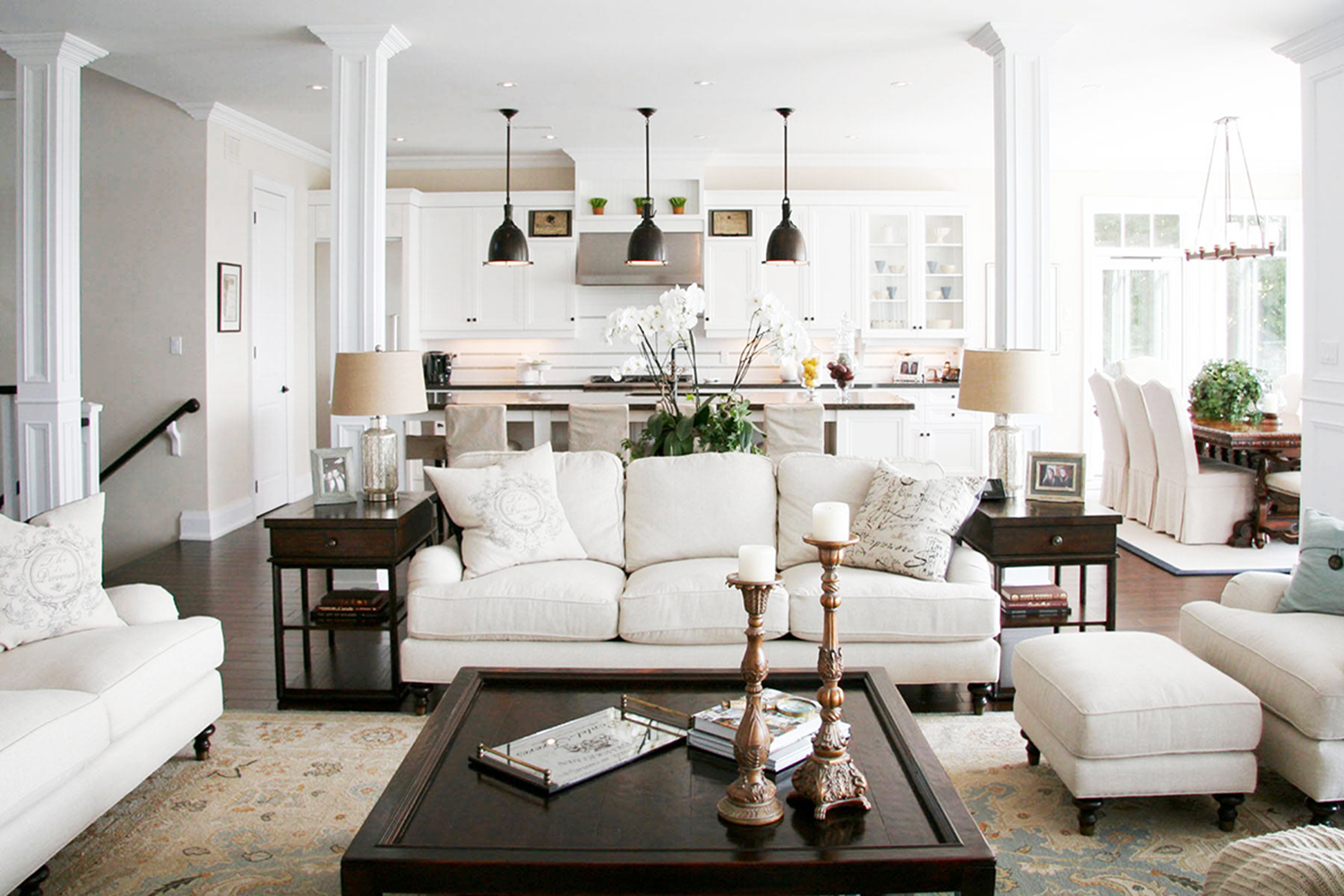
One easy strategy for designing an open floor plan is to create a balanced look with larger furniture pieces. Doubling up sofas and complementing them with a large dining table and matching chairs will instantly play up a symmetrical look and bring together to your room. Maintaining a neutral palette and natural materials will also help keep a large room light and bright.Shop the Look
Open Floor Plan Tip #3. Coordinate with Color (And Don't Be Afraid to Go Bold)
In a large, open space, it's essential to pick colors in a more purposeful manner than you might for a closed room. Choose an overall color palette and incorporate it into each individual space. Then choose two or three accent colors, and add a touch of them to each individual area in the the form of fabrics, rugs and accessories. The accent colors will help divide the room, while the overall, more neutral palette will lend the open area a sense of cohesion. And don't be afraid to go bold! Large open spaces without enough color can read as bland or empty.Open Floor Plan Tip #4. Light It Right (We're Talking More Than Just Table Lamps)
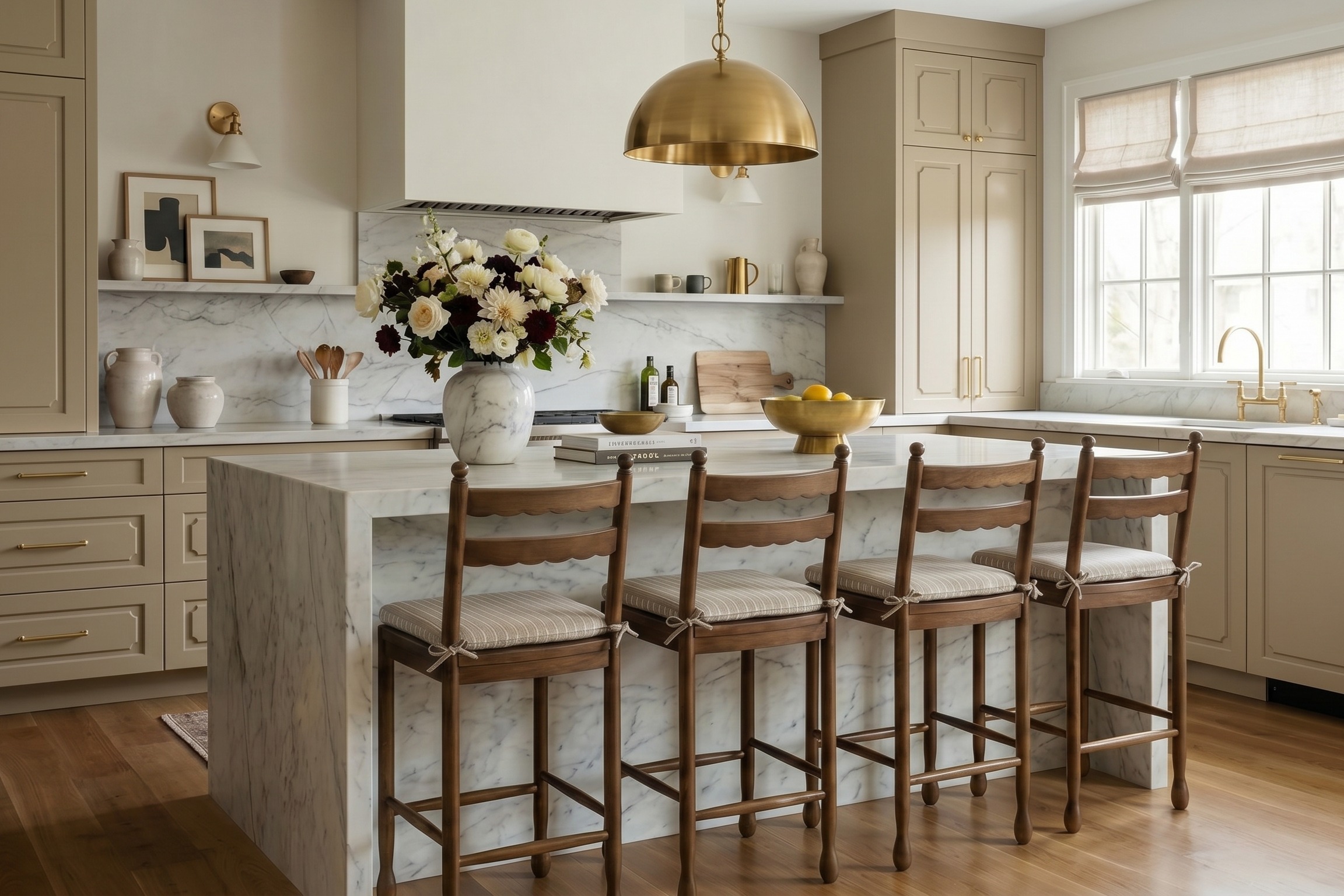
The right lighting goes a long way in dividing your open floor plans into workable areas. Over-counter pendant lighting is perfect in the kitchen area as out-of-the-way task lighting. A pendant or chandelier over the dining table also helps to define that space in a vertical sense. Wall sconces or floor lamps are necessary in the living room, and a table lamp on side tables will illuminate those areas distinctly and cohesively. And perhaps most importantly, install recessed lighting both as an ambient source and to guide the flow of the room.Shop the Look
Open Floor Plan Tip #5. Consider The Foot Traffic (Oh Hey, Feng Shui)
Use your furniture to create specific stations within the larger spaces of your open floor plan to help the space feel navigable. While a huge single room can feel cavernous and directionless, a huge single room that has obvious places for conversation and comfort (sofa/living area), eating and working (table/dining area), and finding and preparing food (kitchen) is much more approachable and comfortable. And in between these stations, make sure that there is a clear path with enough room for people to pass by one another.
Open Floor Plan Tip #6. Add a Console or Shelves (Divide Sans Walls)
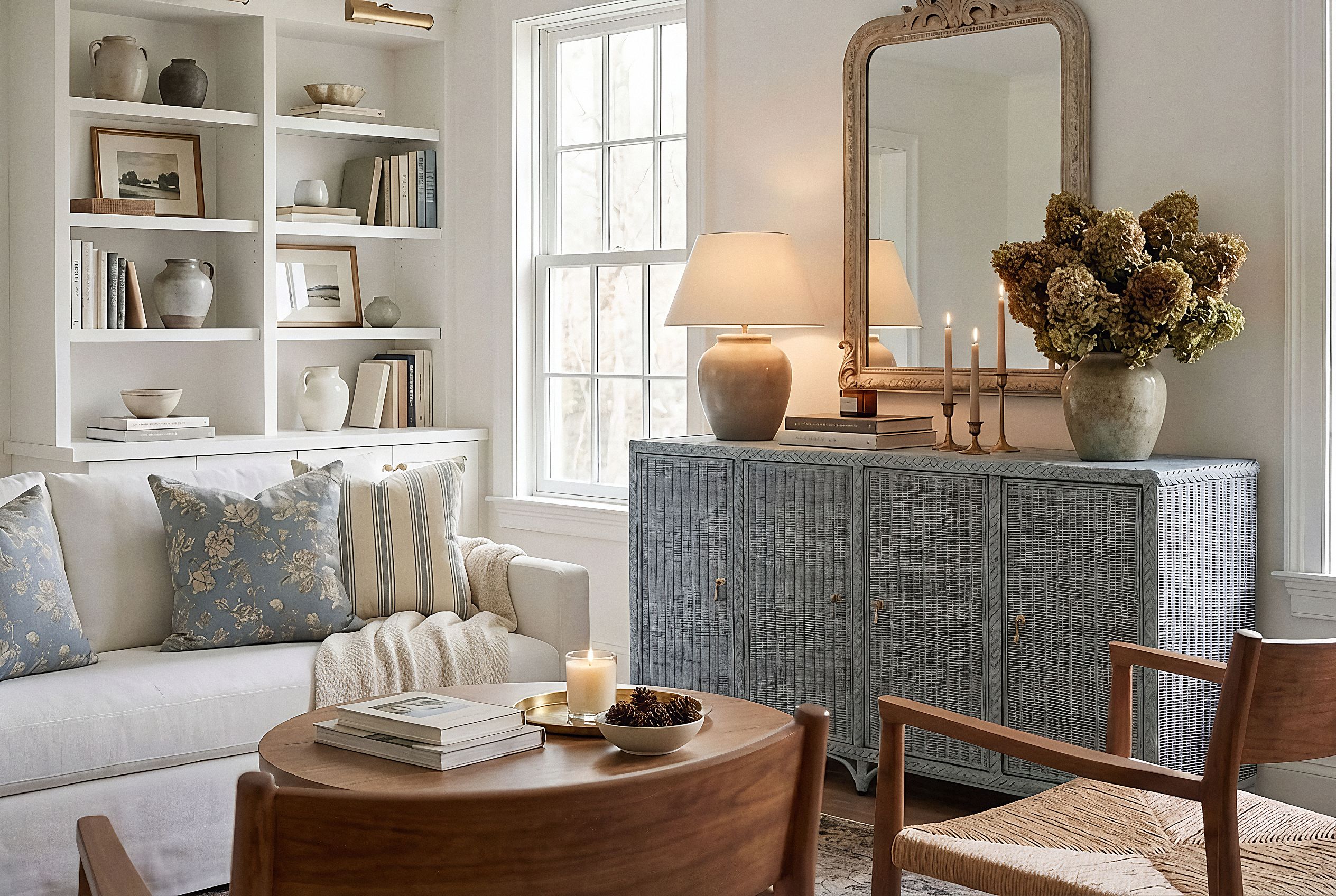
If a complete open concept space feels too unkempt for you, you can create barriers without putting up walls by using furniture like bookshelves or consoles. Open shelving is great way to block out the clutter of one area, like the kitchen, while still allowing light and space to pass through. A console behind the sofa is another great add-on to break up a living and dining space while being able to keep an eye on the kids playing in the next room and maximize all of your square footage. You'll find that even in a small home, open house plans can make the space feel large, especially when it comes to in-kitchen dining.Kathy Kuo Home Design Services
Feeling inspired? In addition to being a source for beautiful high quality furnishings and decor, Kathy Kuo Home has a team of professional interior designers that are ready to assist with all of your interior design needs. Our services provide multiple layout and design options that fit your style and budget for any room. You will work with a team of designers and project managers to help you truly love where you live.
Call (888) 908-3486 or email designs@kathykuohome.com today to get started!
This post contains affiliate links; we may earn a commission for clicks and transactions.