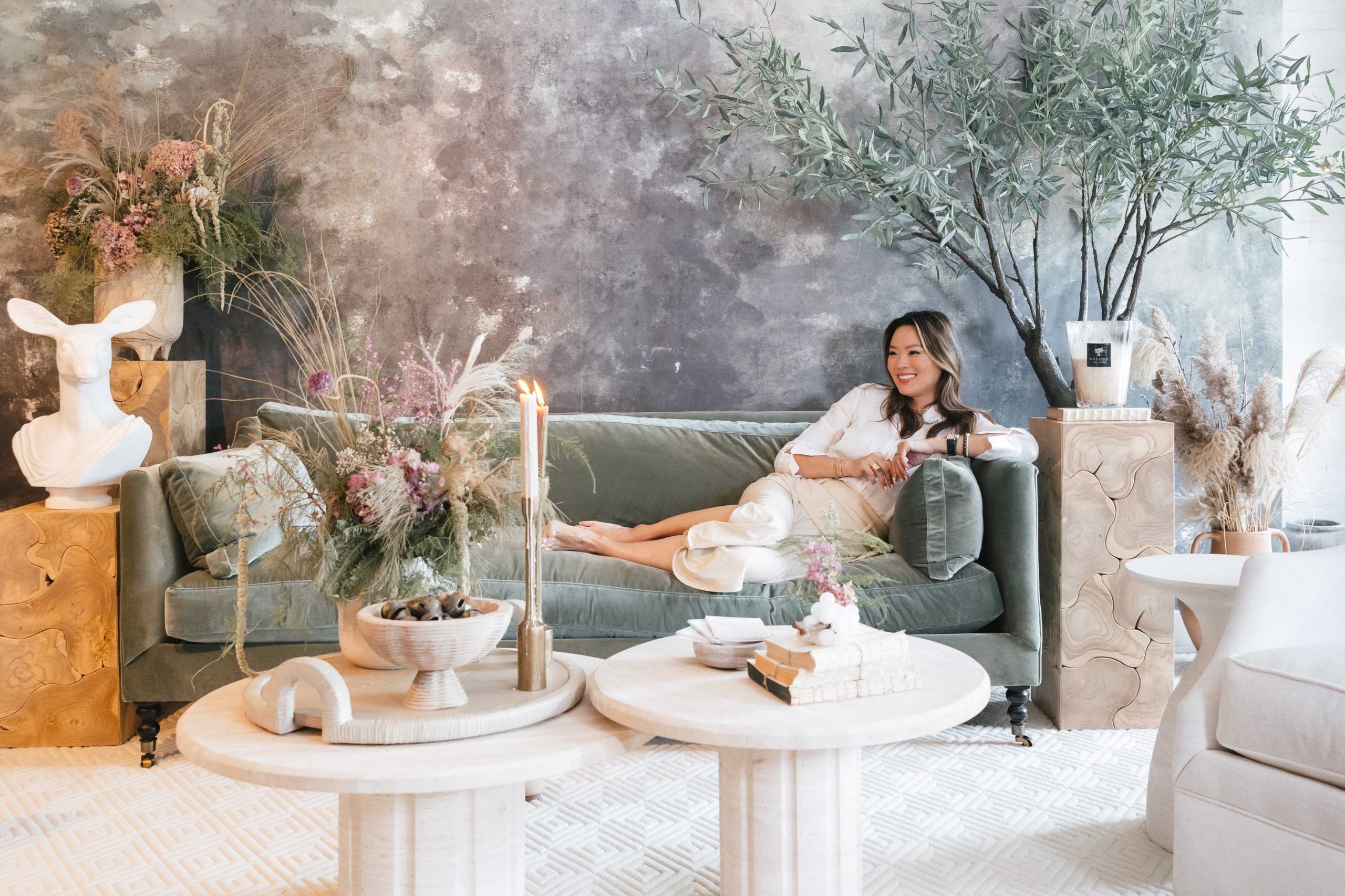
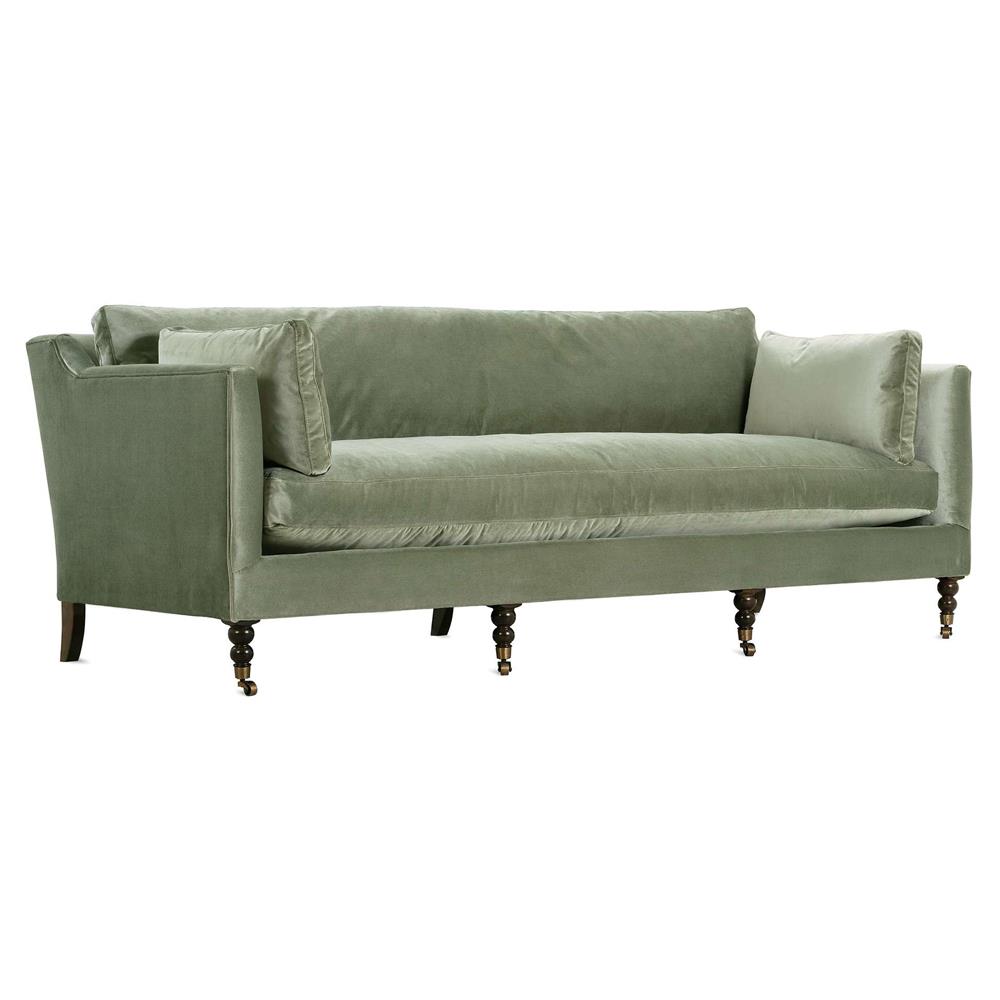
Wondering how to decorate with velvet? As the weather turns cold and we update our homes for fall, we tend to look to heavier fabrics to keep our homes warm. Who doesn't love a plush sheepskin rug or a warm wool throw? But there's one particular fall fabric that proves to be consistently controversial. This mystery material is sumptuous (yet durable), oozes style and luxury, and instantly adds texture to a room...but it goes widely underused due to the fear of it looking tacky (just ask our friend Elvis). If you haven't guessed by now, today on the blog we're talking about velvet decor. With astonishingly soft fibers and a sleek, shiny coat, velvet can transform even the simplest living room couches into ravishing statement pieces. But velvet can also be intimidating—isn't velvet a bit too extravagant for modern interiors? Isn't it hard to care for? We're writing today to resolve those rumors about how to decorate with velvet.
Velvet Is Easily Misunderstood
It's hard being so beautiful when you're complex and nobody understands you. So let's set the record straight. What exactly is velvet? Unlike a flat-woven fabric (such as linen), velvet uses a lot of yarn and takes multiple steps to produce. Two layers of fabric (velvet can be woven from any type of yarn) go on a double action loom, receive simultaneous weaving, and interlace with connecting yarns. When it comes off the loom, the layers are then cut apart to produce that soft, upright pile that everyone loves so much.
Shop the Look
Velvet Offers Variety
Where does velvet originate? Being the dark and mysterious fabric velvet is, it shouldn't surprise you that no one really knows, but most historians agree that people began constructing velvet somewhere in the Far East—likely China—around the thirteenth century. Velvet then traveled west along the Silk Road in Asia until it reached Italy and achieved its peak popularity during the Italian Renaissance. As we know in the furniture business, beautiful products take time and labor. Before the industrial power loom was invented, the complicated and arduous velvet-making process was very expensive, so the luxe material was reserved for royalty. Nobles were drawn to its capability to accept rich and lustrous dyes. Luckily, today velvet is very accessible, but the fabric upholds its regal history. You'll see it most frequently in our Hollywood Regency collection and in our most glamour-filled inspirations, like our Regal Royal or Black, White, and Gold Lookbook. Fun fact: the word “velvet” comes from the Italian word "velluto," meaning “shaggy.”The durability of the material depends on the kind of fibers used as well as on the density of the pile. The shorter and the denser the pile is, the more durable the fabric will be. When shopping for furniture or having your furniture reupholstered, it’s always worth checking the exact composition of the velvet fabric you choose. Pick velvet that is made from a mix of resilient synthetic and natural fabrics, like our velvet products at Kathy Kuo Home.
Shop the Look
Confused by some of the distinctions when shopping for velvet furniture? Lucky for you, The Kuotes has an affinity for furniture vocabulary:
Crushed Velvet: Produced by pressing the fabric down in different directions. Crushed velvet can also be produced by mechanically twisting the fabric while wet. The result is a luxe patterned appearance.
Devoré (Burnout) Velvet: Using chemicals, a specific pattern is burned out from the velvet. The result is a semi-transparent pattern contrasted with solid woven velvet.
Embossed Velvet: A metal roller is used to heat-stamp the velvet, producing a pattern.
Linen Velvet: A dry, modest velvet that has a distinctive striped texture.
Mohair Velvet: A thick and durable velvet with minimal sheen. Mohair velvet is made from the hair of Angora goats, and it's a great material for upholstery or drapery due to its heft.
Pile-on-Pile Velvet: Woven with piles of different heights to create a pattern, the result is one of the most luxurious and expensive types of velvet.
Silk Velvet: A supremely soft velvet with a strong, reflective surface. Silk velvet is known for its "wet look" that provides a room with super luxurious feel. Silk velvet often comes with a very high price point.
Velveteen Velvet: An imitation velvet, velveteen is normally made of cotton and has a pile that is short and closely set. Unlike true velvet, this type does not drape and has less sheen.
Voided Velvet: Similar in structure to pile-on-pile velvet, this velvet is woven with only one height of the pile, and the rest of the background fabric is left empty to form a pattern.
Shop the Look
When Your Home Needs Some Mystery
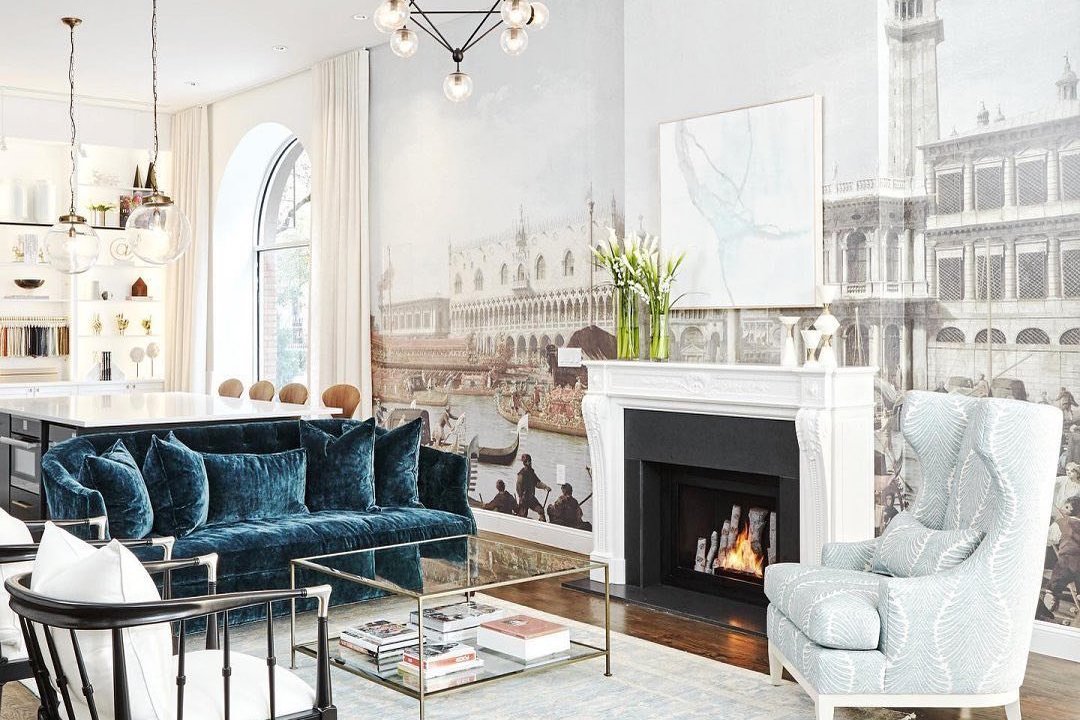
Do you always succumb to the dark and mysterious types? Then you'll undoubtedly be crushing on velvet. Velvet home decor seduces the senses and brings rich and deep hues to life. Just try it. You'll be drawn to the magnetic luster and multidimensional color of a velvet fabric choice. Why does velvet look so good in dark, moody hues (like dark red velvet)? It's because the velvet's nap allows light to reflect at multiple 90 degree angles, creating that luxe, luminous sheen velvet is famous for. Even science agrees with us!
When Your Home Needs Some Drama
Velvet is a very thick and heavy material, which makes many people (designers included) wary of the fabric. But these attributes don't have to be flaws! A heavy velvet curtain that pools on the ground adds a stylish, cinematic flair to a living or dining room. For an especially stunning look, choose a color that will contrast against the walls. (Pro tip: To avoid flat-looking velvet drapes, make sure that the nap is running upwards. When you run your hand from bottom to top, the fabric should feel smooth. An upward nap guarantees a more rich and radiant look.)
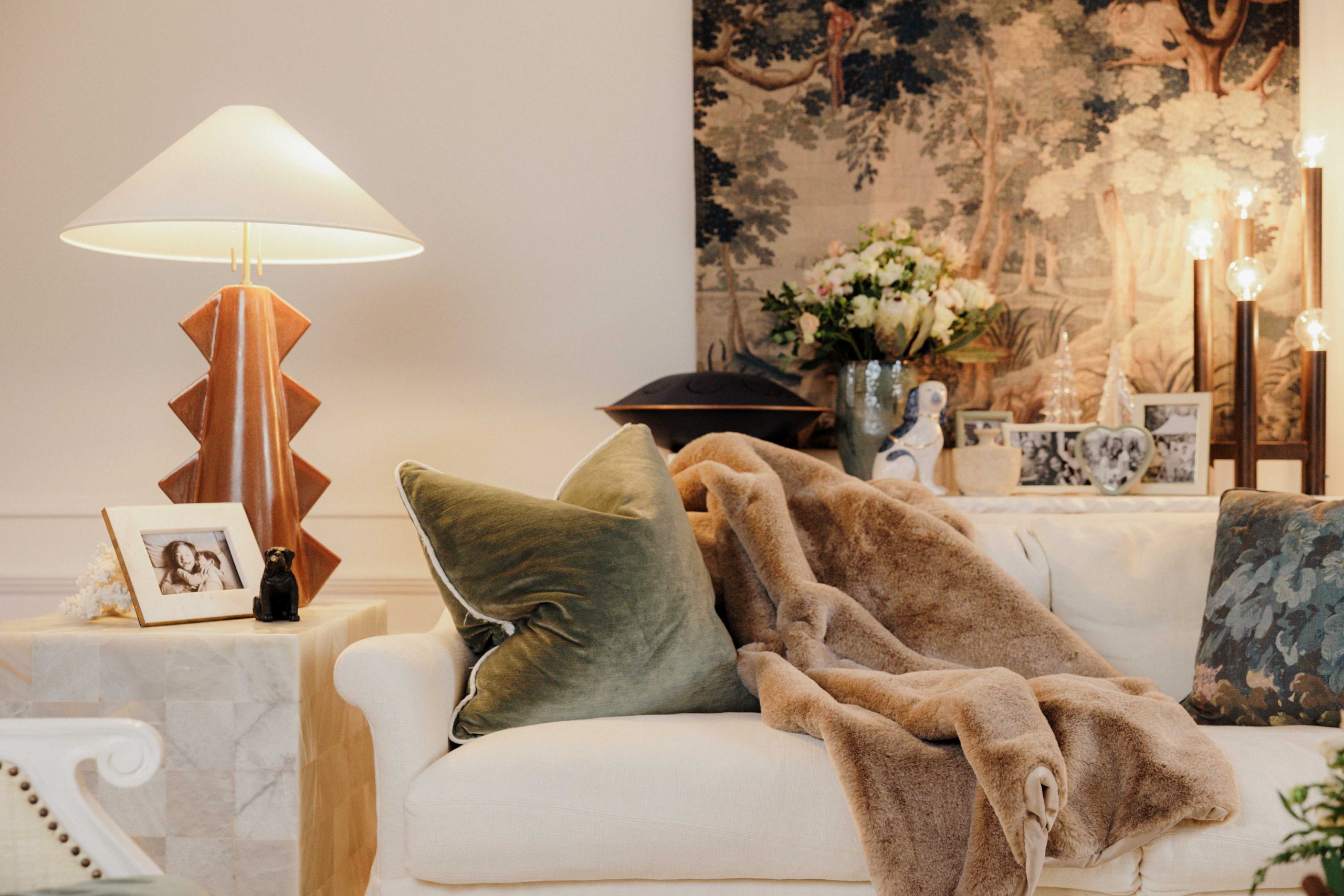
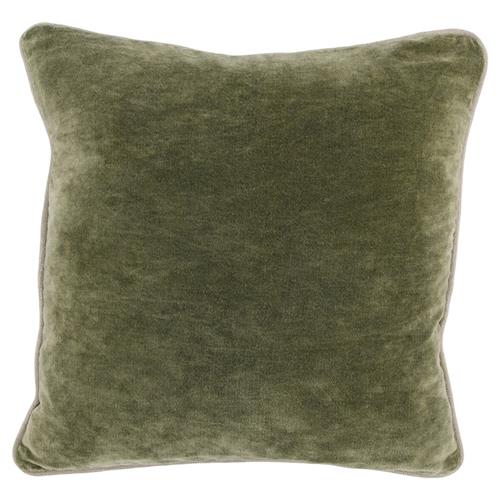
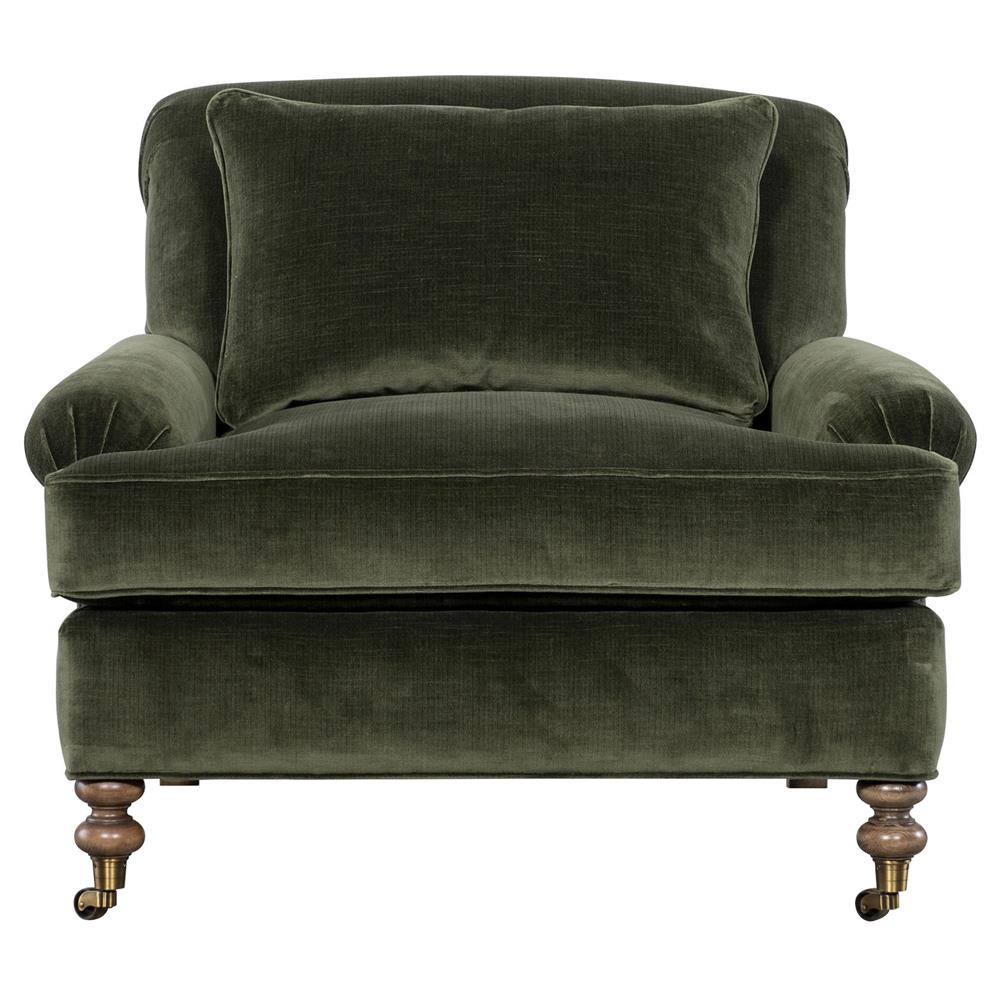
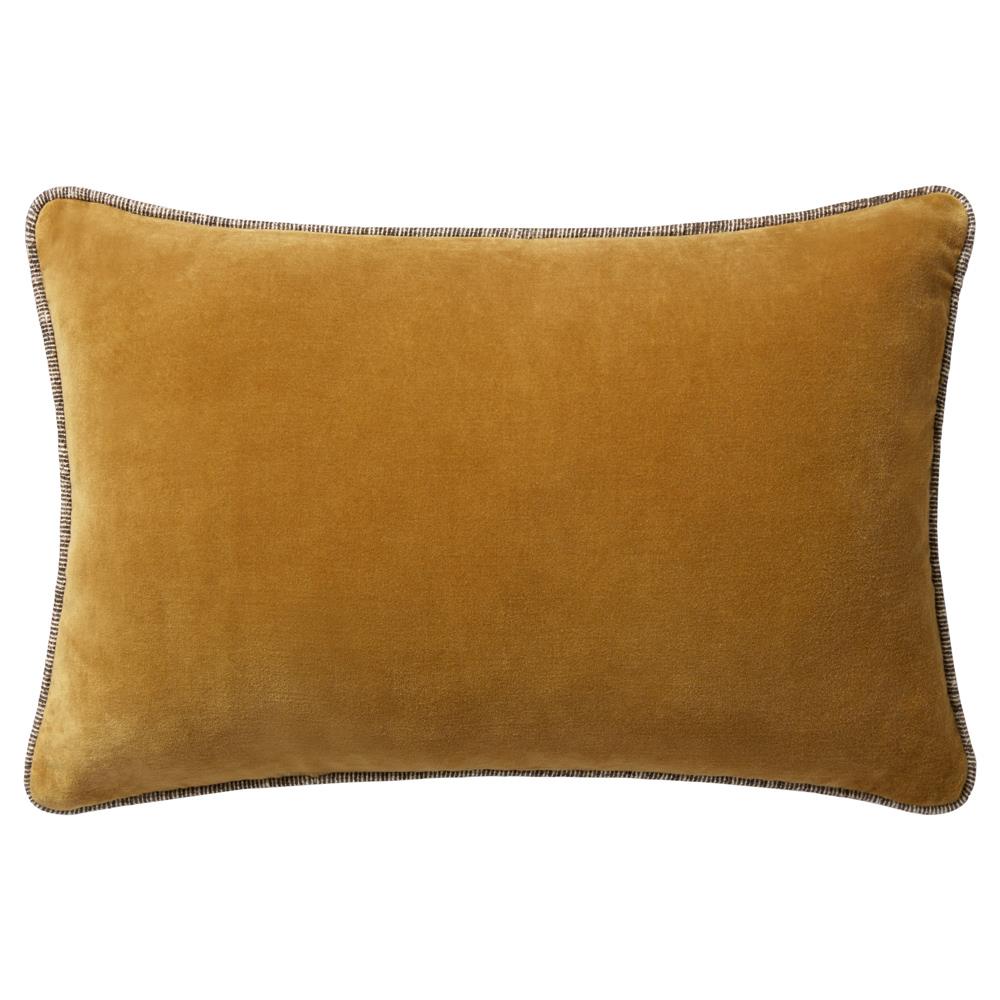
Velvet also works as great fabric for a bold statement piece, be it the sofa, the daybed, or a wingback chair. Worried about creating a look that is too flashy and frumpy? The key is to use velvet sparingly as a recurring motif throughout the home instead of buying all velvet furniture. Dress velvet down by pairing it with distressed wood or another unfinished finish. Or mix velvet with more modern materials like acrylic or steel. Even a few velvet throw pillows can up the visual interest of your room.
When Your Home Needs Some Romance
Velvet looks good in almost any color, but it looks especially amorous in bright jewel tones that will bring a fun, feminine edge to your living room. More muted velvets, like pale pinks, purples, and blues, also make you want to melt into the room itself. Velvet has a smooth yet feathery touch that tingles the senses. So it makes for the perfect fabric for creating a French feminine bedroom (try a velvet headboard) or adding texture to soften a sleek, modern space. Spread the velvet love!
Shop the Look
Velvet Is Simple to Care For
Granted, velvet needs a bit more TLC than your average fabric, but the maintenance for velvet should never deter you from purchasing that sweet blue velvet armchair you've been eyeing for months. In fact, the complex make of velvet (as described prior) makes it more durable than many fabrics, and if properly maintained, the natural life and bright colors of a velvet piece can span generations. Another so-called "problem" with velvet is the common misconception that velvet is always supposed to look new and pristine, like silk, when in fact, velvet should wear and age more naturally, like leather. When you sit on velvet furniture, the pile will often ruffle, and over time this wear will create a bruise. Don't fret! These bruises can mostly be steamed out, as we'll detail below, but bruises do eventually last and should be thought of as a patina, giving your velvet piece a better sense of age, character, and beauty.
Basic Velvet Maintenance
For velvet drapes or pillow covers, the easiest way to maintain them is to dry-clean regularly. In between cleanings, use a soft bristle brush to dust and remove fuzz. For velvet furniture, the best course of action is to vacuum regularly using the upholstery attachment of the vacuum, and run it in the direction of the nap. You can also use a dry brush with soft bristles to quickly dust and remove fuzz.
Shop the Look
Cleaning Spills and Stains
Make sure to treat any spills as quickly as possible. Gently press a white absorbent cloth or paper towel over the spill. For larger or more damaging spills, you may want to use a mixture of baking soda and lemon juice. Pour 2 tablespoons of baking soda into a small bowl, and then add lemon juice until all of the baking soda has foamed. Using the foam only, press into the velvet with long, straight movements along the nap. If you remember anything about cleaning velvet, remember this: DO NOT rub or pat a spill on velvet, as that will only press the spill deeper into the fabric and ruin the nap.
Maintaining Velvet's Sheen
Use a steamer to restore velvet of its signature shine. Keep the nozzle moving in the direction of the nap at a moderate pace. After it’s completely dry, brush the velvet in the direction of the nap using a soft-bristled hair brush. You'll definitely want to do this for velvet pillows, a velvet sofa, velvet chairs, and dark velvet curtains, as well as for toned velvets.
Kathy Kuo Studio
Need design help? Kathy Kuo Studio is a full-service design firm working with clients in the United States and abroad. From warm, timeless interiors to serene outdoor retreats, our talented team of accredited designers creates spaces that feel like home, designed around how you live and what you love.